


Ready‑to‑Eat Foods: making safety work for your brand
17/07/2026
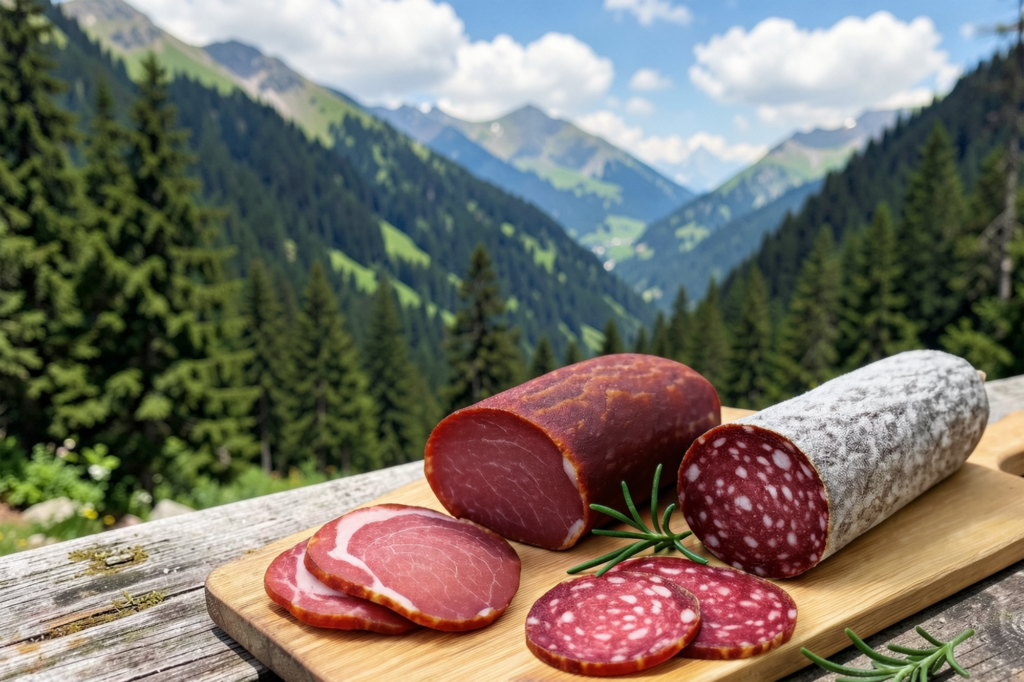
In the ready‑to‑eat (RTE) foods sector, safety is no longer just a regulatory requirement—it is a key driver of market confidence. Products such as raw‑cured whole muscle meat, dry fermented sausages and salami are consumed without further cooking, making control of Listeria monocytogenes essential throughout processing, slicing and shelf life.
Beyond food safety and health risk concerns, Listeria can have a major impact on business performance, resulting in product recalls, shorter shelf life, financial losses, and reputational damage. Today’s producers need reliable, proven solutions that ensure effective protection without compromising product quality, sensory excellence, or the authenticity that consumers expect.
Built‑in protection through fermentation
Selected starter cultures with protective effects offer a natural and effective response to this challenge. Solutions like Lyocarni WBX‑87 (containing bacteriocin-producing Carnobacterium)and Lyocarni VDM‑107 (containing bacteriocin-producing L. sakei) have been developed precisely with this dual role in mind: supporting controlled ripening/fermentation while actively limiting the growth of Listeria monocytogenes, integrating protection directly into the production process.
The mechanism is entirely natural. Thanks to the presence of selected bacteria, these cultures naturally limit pathogen growth through microbial competition and the production of inhibitory compounds, while supporting colour stability, aroma development and process consistency.
Proven performance under real conditions
Challenge tests conducted according to recognised ISO standards show that both cultures deliver measurable benefits. From primary contamination during processing to secondary contamination after slicing, the use of Lyocarni WBX-87 in whole‑muscle cured meats leads to progressive reduction or effective control of Listeria over time, even under demanding storage conditions. Complementary data in fermented salami shows that Lyocarni VDM-107 ensures rapid early control of the pathogen, achieving >99.7% reduction by day 21 and complete absence at the end of ripening (day 28). This provides an additional safety margin, even in products that do not support Listeria growth.
Safety without compromise
Cultures with protective effect work in harmony with traditional meat recipes, preserving texture, flavour and typical sensory profiles. Their effectiveness extends from early fermentation through ripening and into shelf life—even after slicing—supporting safer products at critical stages.
At the same time, they align with clean‑label expectations, offering a natural, scalable and cost‑effective alternative compared to additive‑based strategies.
As market expectations evolve, clean label is no longer a niche requirement — it is a mainstream demand.
Turning safety into value
What makes cultures with protective effects particularly attractive is their seamless integration into existing production processes.
By embedding protection into fermentation, meat producers can reduce risk, extend shelf‑life stability and strengthen customer trust. Because in RTE foods, safety done right doesn’t just protect products — it protects brands.

The immune health supplement category continues to attract significant attention, reflecting growing consumer interest in solutions designed to support the body’s natural defenses. Over the past 12 months, the category
More Pizza Cheese from the Same Milk Volume In today’s competitive pizza cheese industry, manufacturers are under increasing pressure to maximise efficiency, reduce production costs, and deliver consistent product quality. At

Every year, almost 30 million tonnes of cheese are produced worldwide, with an estimated market value of around €90 billion in 2025. Building on this already solid foundation, the cheese