



The immune health supplement category continues to attract significant attention, reflecting growing consumer interest in solutions designed to support the body’s natural defenses. Over the past 12 months, the category has recorded a 13% CAGR, while maintaining a stable 34% penetration within the overall supplement market. North America and Western Europe currently account for approximately one-third each of new immune health supplement launches, highlighting the relevance of this health need across major global markets.¹
Within this evolving landscape, probiotics are increasingly investigated not only for their established role in supporting gut health, but also for their potential contribution to immune function. This connection is particularly relevant because the gastrointestinal microbiota interacts closely with the immune system, opening new perspectives for probiotic interventions beyond digestive health.
One area of particular interest is respiratory health. Respiratory tract infections (RTIs) remain a major public health burden worldwide and encompass a broad spectrum of conditions, ranging from the common cold and influenza to upper and lower respiratory tract infections (URTIs and LRTIs). Despite significant progress in diagnostic tools, antimicrobial therapies and intensive care, respiratory infections continue to represent an important cause of morbidity and mortality globally.
Influenza viruses alone affect up to 20% of the global population each year, while acute respiratory infections account for a substantial proportion of hospitalizations in children. Overall, respiratory tract infections are estimated to cause nearly 4 million deaths annually and remain among the leading causes of mortality in children under five years of age. Their management also raises concerns regarding inappropriate antibiotic use: antibiotics are estimated to be prescribed incorrectly in 30–50% of cases, contributing to the growing challenge of antimicrobial resistance.
Against this background, strategies capable of supporting immune defenses and potentially reducing the burden of recurrent respiratory infections are attracting increasing scientific interest.
Investigating L. rhamnosus CRL1505® in respiratory health
Among the probiotic strains studied for this purpose is L. rhamnosus CRL1505®, a strain originally isolated from goat milk and extensively investigated for its interaction with the immune system and its potential role in respiratory and gastrointestinal health.
CRL1505® is part of Sacco System’s CultureScience portfolio, which brings together clinically investigated microbial strains selected to address different health needs throughout the various stages of life. The strains are available individually or as part of formulated blends and are supported by preclinical and clinical research.
Recent clinical evidence has further explored the potential of CRL1505® to support respiratory health in healthy adults, focusing specifically on the frequency, duration and clinical impact of upper respiratory tract infections.
Clinical study design
A randomized, double-blind, parallel, placebo-controlled clinical trial evaluated the efficacy of L. rhamnosus CRL1505® in reducing the frequency and duration of URTIs in healthy adults.
Participants received either the probiotic or a placebo for 12 weeks, followed by a four-week follow-up period. Subjects in the probiotic group consumed a daily capsule providing 1 billion colony-forming units (CFU) of L. rhamnosus CRL1505®.
Throughout the study, questionnaires were used to record the occurrence, duration and symptoms of respiratory infections.
Fewer recurrent respiratory infections and shorter cold episodes
The results showed that supplementation with L. rhamnosus CRL1505® was associated with several clinically relevant outcomes.
In particular, the probiotic reduced the proportion of participants experiencing at least two or three URTI episodes during the study period, suggesting that the effect may be especially relevant among individuals who are more susceptible to recurrent respiratory infections.
Participants receiving CRL1505® also experienced shorter common cold episodes, with an average reduction of approximately two to three days compared with the placebo group. In parallel, the proportion of time during which participants remained free from URTIs increased by approximately 3%.
Beyond infection frequency and duration, another relevant observation concerned symptom management. Participants receiving the probiotic reported a lower use of self-administered symptomatic medications for respiratory infections, suggesting a potential reduction in the overall impact of URTI episodes on daily life.
Taken together, these findings indicate that daily supplementation with L. rhamnosus CRL1505® may contribute to reducing both the recurrence and duration of upper respiratory tract infections in healthy young adults, with particularly interesting results in subjects more prone to repeated episodes.
From clinical evidence to broader applications
The findings add to a growing body of research exploring the relationship between specific probiotic strains, immune modulation and respiratory health. CRL1505® has been investigated across more than 35 preclinical and clinical publications, including studies addressing both respiratory and gastrointestinal infections.
Importantly, these data also underline a central principle of probiotic science: health effects are strain-specific. Clinical evidence generated for CRL1505® therefore provides the scientific foundation for its use in formulations designed to support immune and respiratory health.
For product developers seeking greater formulation flexibility, Sacco System also offers a heat-inactivated form of CRL1505® within the CultureScience portfolio. Its enhanced stability at room temperature makes it suitable for incorporation into a broader range of finished-product formats and customizable blends, while expanding the possibilities for developing science-based solutions targeting immune health.
Conclusion
The clinical study provides evidence that daily supplementation with L. rhamnosus CRL1505® can help reduce the burden of upper respiratory tract infections in healthy adults.
Compared with placebo, supplementation was associated with fewer recurrent URTI episodes, shorter common cold duration, a greater proportion of infection-free time and reduced use of symptomatic medications.
These findings reinforce the potential role of strain-specific probiotics as part of nutritional strategies aimed at supporting immune and respiratory health, particularly during periods of increased exposure to seasonal respiratory infections.
Supported by an extensive body of scientific research, L. rhamnosus CRL1505® represents a clinically investigated probiotic ingredient for the development of evidence-based solutions designed to support the body’s natural defenses.
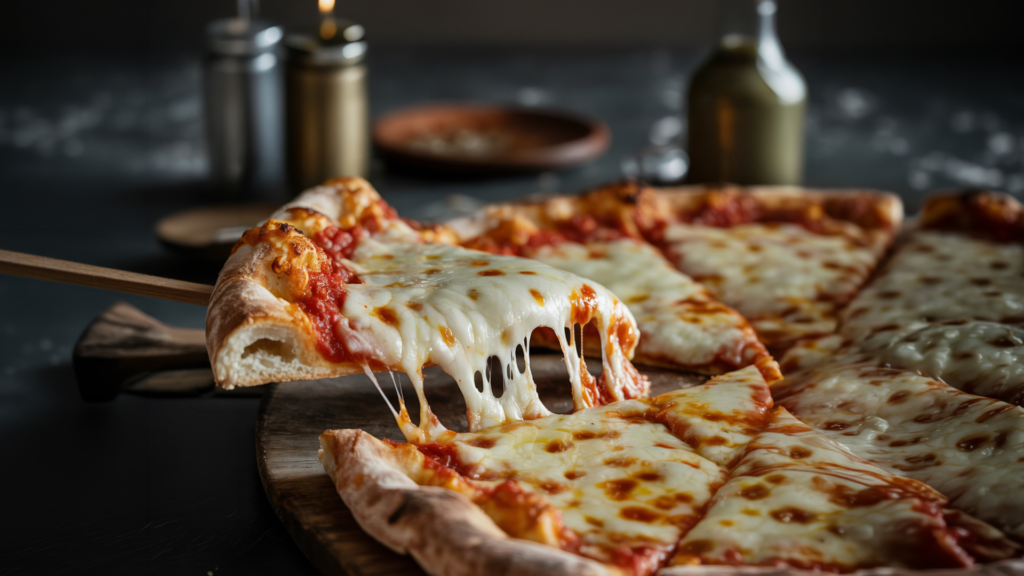
More Pizza Cheese from the Same Milk Volume In today’s competitive pizza cheese industry, manufacturers are under increasing pressure to maximise efficiency, reduce production costs, and deliver consistent product quality. At
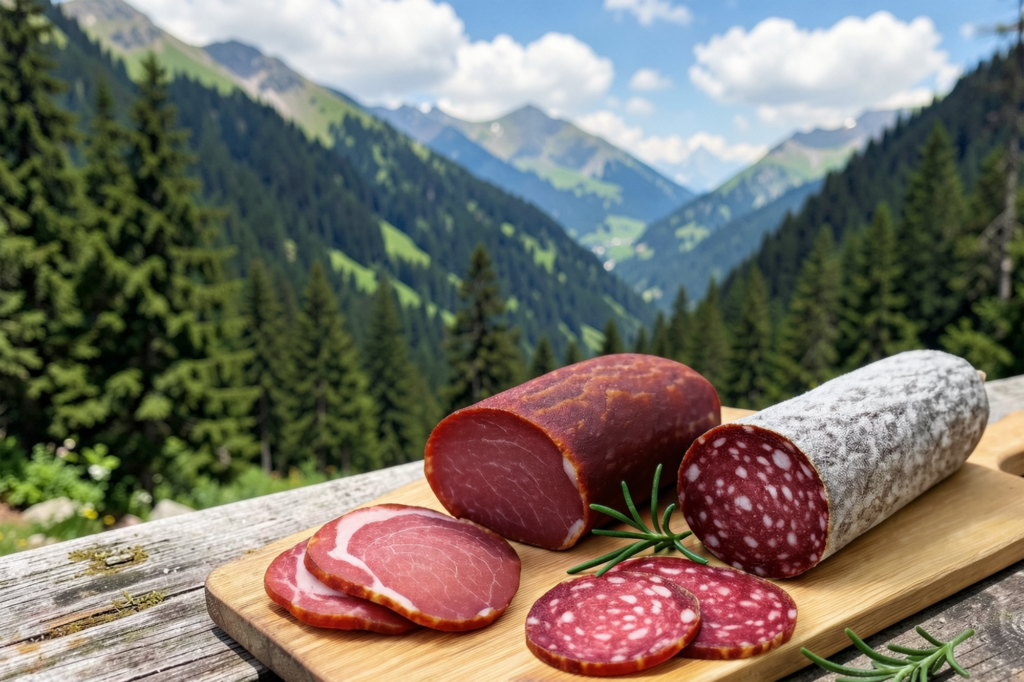
In the ready‑to‑eat (RTE) foods sector, safety is no longer just a regulatory requirement—it is a key driver of market confidence. Products such as raw‑cured whole muscle meat, dry fermented

Every year, almost 30 million tonnes of cheese are produced worldwide, with an estimated market value of around €90 billion in 2025. Building on this already solid foundation, the cheese